



Electric Arc Furnace (EAF) steelmaking The EAF process uses electric power to melt scrap steel, often alongside other metallic and non-metallic additions, to produce molten... [Read More]Electric Arc Furnace (EAF) steelmaking
The EAF process uses electric power to melt scrap steel, often alongside other metallic and non-metallic additions, to produce molten steel. This method is energy-intensive but is considered more environmentally friendly than traditional blast furnace methods when electricity comes from renewable sources.
Step-by-Step Process:
1. Charging the Furnace:
The furnace is initially charged with scrap steel. The type of scrap used can vary, influencing the steel's final quality. Modern EAFs might also use Direct Reduced Iron (DRI), pig iron, or even hot briquetted iron (HBI) for better control over chemistry or to increase production efficiency.
2. Melting:
Once the furnace is charged, the electrodes are lowered, and an electric arc is struck between them. This arc generates intense heat (around 3,000°C to 6,000°C) which melts the scrap. The roof of the furnace is often water-cooled to withstand the high temperatures.
3. Refining:
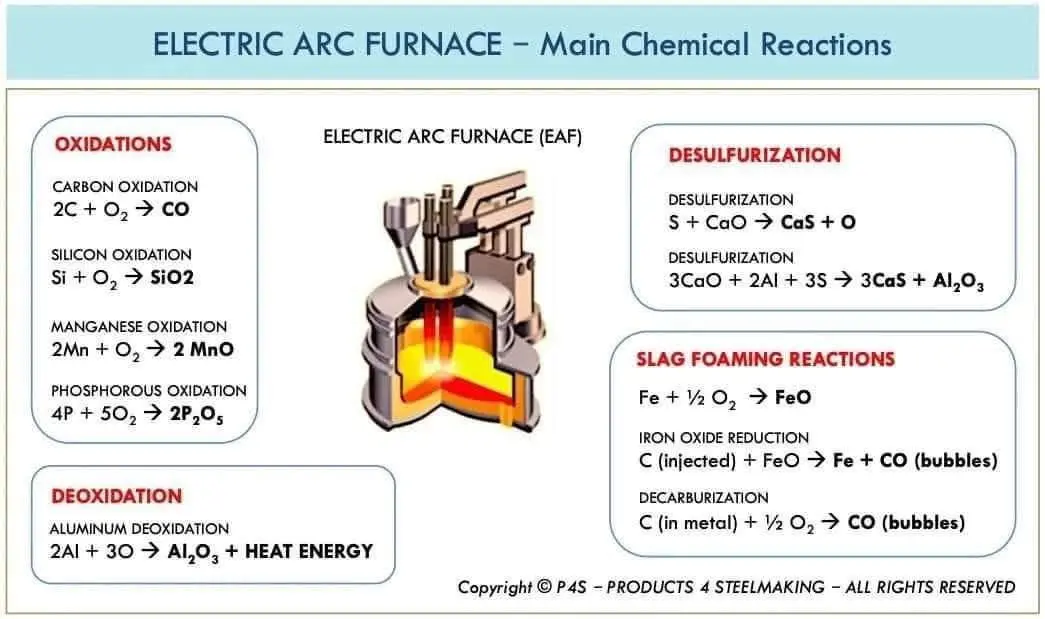
After the scrap melts, additional materials like lime or dolomite are added to form slag, which helps to remove impurities. Oxygen might be blown over the bath to reduce carbon content or other elements, or other gases might be used for specific chemical reactions. This stage is crucial for adjusting the steel's composition to meet desired specifications.
4. Temperature and Chemistry Adjustment:
Samples are taken to check the steel's chemistry and temperature. Adjustments are made by adding alloys like manganese, silicon, or even carbon if needed. Temperature adjustments are critical, often achieved by adjusting the arc length or using burners.
5. De-slagging:
The slag, which includes impurities like sulfur, phosphorus, and silica, is skimmed off. This process might be repeated if the steel requires further refining.
6. Tapping:
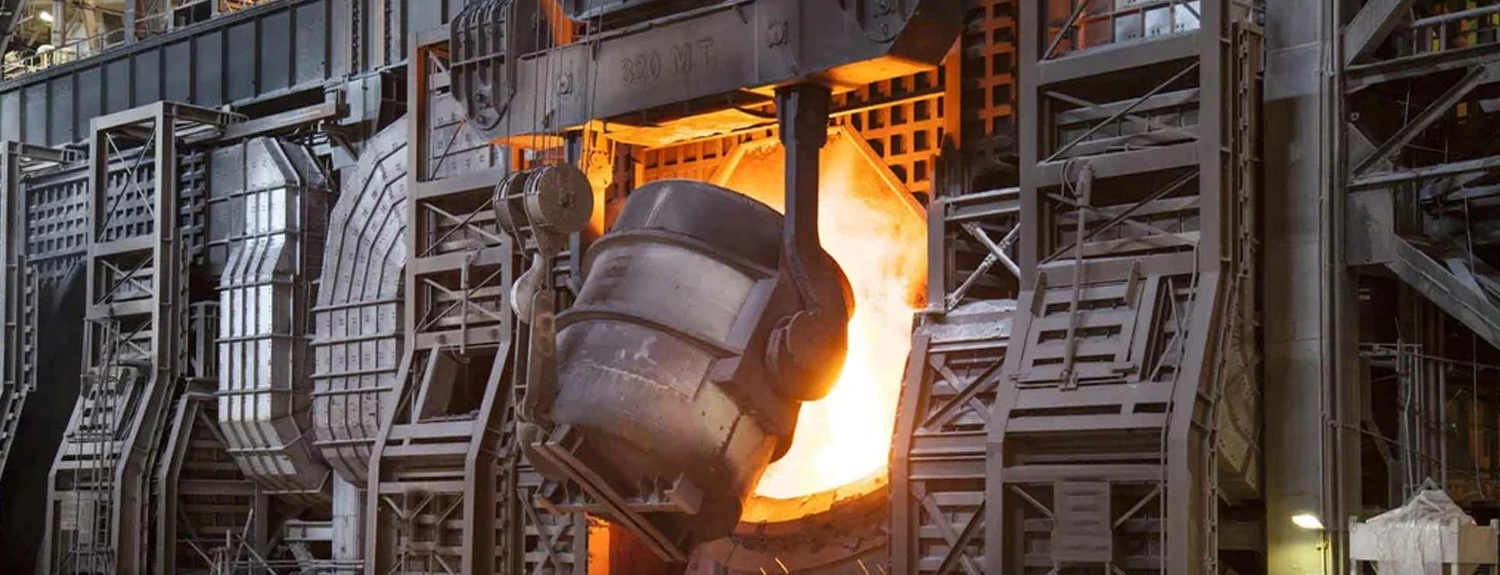
Once the steel meets the required standards, the furnace is tilted, and the molten steel is poured out into a ladle. The slag is often poured off first to avoid contamination, followed by the steel.
7. Secondary Refining (Optional):
The molten steel might be further processed in a ladle furnace or another vessel for fine-tuning its composition, temperature, and cleanliness. This step is particularly important for high-quality and specialty steels.
8. Casting:
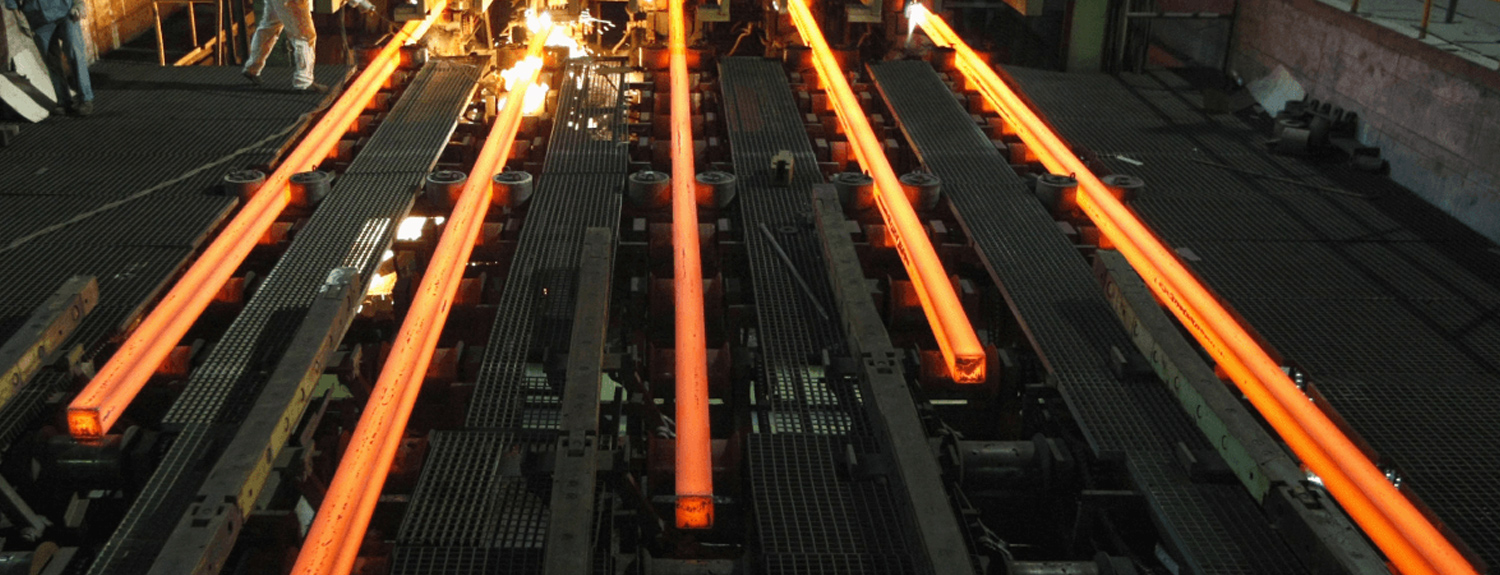
After refining, the steel can be cast into shapes like blooms, billets, or slabs through continuous casting or into ingots, depending on the intended final product. Continuous casting has largely replaced ingot casting due to its efficiency and better quality control.
Credit:- #products4steelmaking #MatteoSporchia
lnkd.in/gwGJwf2i
#metallurgy #metallurgicalengineering #materialscience #mechanicalengineering #materialsengineering #mechanicalengineering #metallurgist

James Oliver
General Manager
@
steel world
 United States
Offline
Share Post
Preview
James Oliver
General Manager
Electric Arc Furnace (EAF) steelmaking The EAF process uses electric power to melt scrap steel, often alongside other metallic and non-metallic additions, to produce molten steel. This method is energy-intensive but is considered more environmentally friendly than traditional blast furnace methods when electricity comes from renewable sources. Step-by-Step Process: 1. Charging the Furnace: The furnace is initially charged with scrap steel. The type of scrap used can vary, influencing the steel's final quality. Modern EAFs might also use Direct Reduced Iron (DRI), pig iron, or even hot briquetted iron (HBI) for better control over chemistry or to increase production efficiency. 2. Melting: Once the furnace is charged, the electrodes are lowered, and an electric arc is struck between them. This arc generates intense heat (around 3,000°C to 6,000°C) which melts the scrap. The roof of the furnace is often water-cooled to withstand the high temperatures. 3. Refining: After the scrap melts, additional materials like lime or dolomite are added to form slag, which helps to remove impurities. Oxygen might be blown over the bath to reduce carbon content or other elements, or other gases might be used for specific chemical reactions. This stage is crucial for adjusting the steel's composition to meet desired specifications. 4. Temperature and Chemistry Adjustment: Samples are taken to check the steel's chemistry and temperature. Adjustments are made by adding alloys like manganese, silicon, or even carbon if needed. Temperature adjustments are critical, often achieved by adjusting the arc length or using burners. 5. De-slagging: The slag, which includes impurities like sulfur, phosphorus, and silica, is skimmed off. This process might be repeated if the steel requires further refining. 6. Tapping: Once the steel meets the required standards, the furnace is tilted, and the molten steel is poured out into a ladle. The slag is often poured off first to avoid contamination, followed by the steel. 7. Secondary Refining (Optional): The molten steel might be further processed in a ladle furnace or another vessel for fine-tuning its composition, temperature, and cleanliness. This step is particularly important for high-quality and specialty steels. 8. Casting: After refining, the steel can be cast into shapes like blooms, billets, or slabs through continuous casting or into ingots, depending on the intended final product. Continuous casting has largely replaced ingot casting due to its efficiency and better quality control. Credit:- #products4steelmaking #MatteoSporchia https://lnkd.in/gwGJwf2i #metallurgy #metallurgicalengineering #materialscience #mechanicalengineering #materialsengineering #mechanicalengineering #metallurgist
Share Type
Add a comment
A
All caught up!
No more posts to show


thanks for shareing
3 months ago