
Ahmed ali
Verified Account
Purchasing Manager
@
Maddina Steel
 Saudi Arabia
Offline









5.0
Professional Rating
out of 5 ·
1★
5★
Share Post
Preview
Ahmed ali
Purchasing Manager
Share Type
Add a comment
A
Share Post
Preview
Ahmed ali
Purchasing Manager
Share Type
Add a comment
A
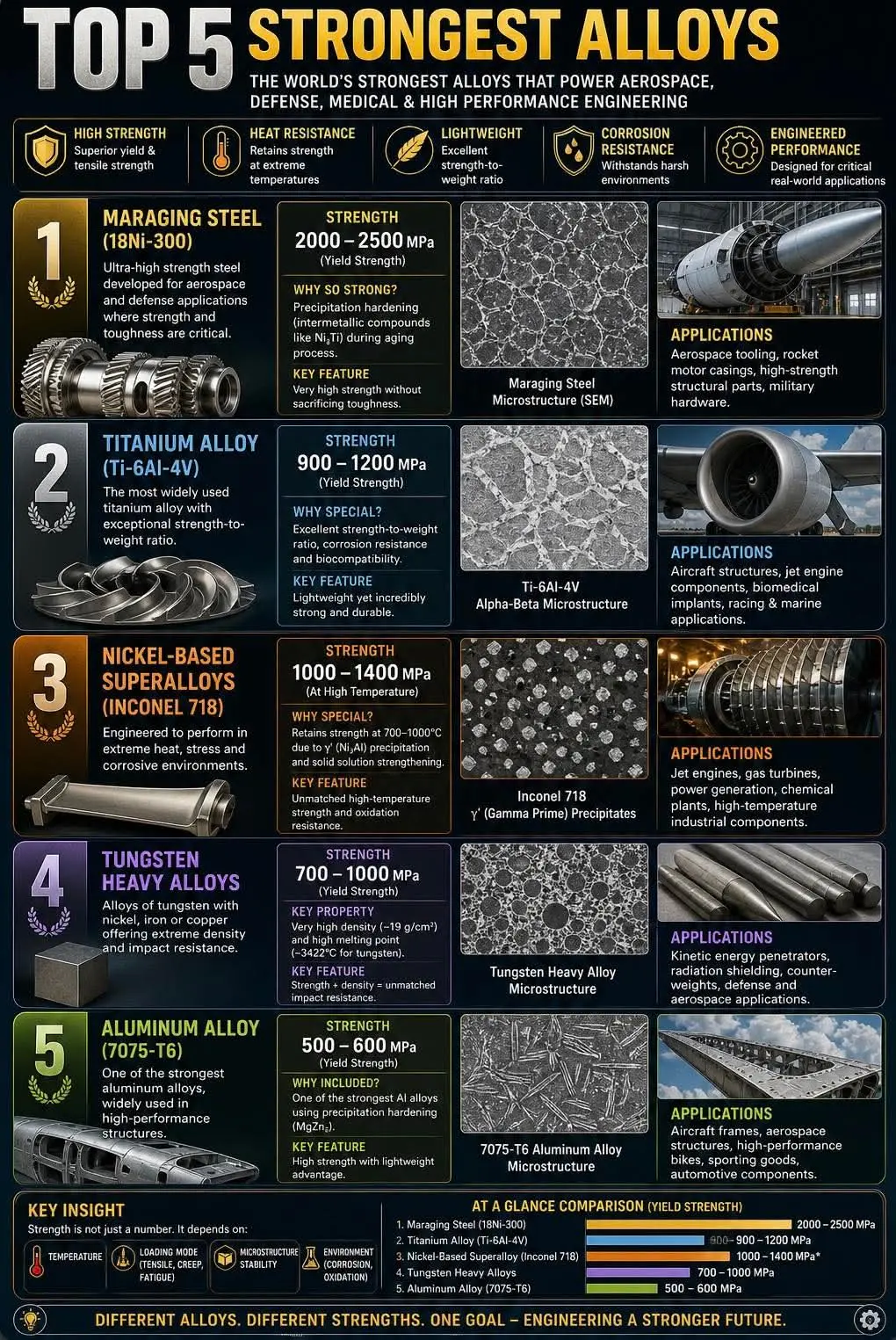
أفضل 5 أقوى سبائكأفضل 5 أقوى سبائك
·
Share Post
Preview
Ahmed ali
Purchasing Manager
أفضل 5 أقوى سبائك
Share Type
Add a comment
A
·
Share Post
Preview
Ahmed ali
Purchasing Manager
https://steelnetwork.me/news/13100?lang=en
Share Type
Add a comment
A
·
Share Post
Preview
Ahmed ali
Purchasing Manager
https://steelnetwork.me/news/13093
Share Type
Add a comment
A
What Are the Direct Costs of Repairing Energy Infrastructure Destroyed by the Iran War? A recent report by Rystad Energy states that the conflict in... [Read More]What Are the Direct Costs of Repairing Energy Infrastructure Destroyed by the Iran War?
A recent report by Rystad Energy states that the conflict in the Middle East could lead to repair costs of up to $58 billion for energy-related infrastructure, with oil and gas facilities alone accounting for up to $50 billion.
This estimate represents a sharp increase compared to the firm's initial estimate of $25 billion three weeks ago, reflecting the widening scope of damage prior to the April 8 ceasefire between the United States and Iran.
Karan Satwani, Senior Analyst at the firm, stated:
"Repair work does not create new production capacity; rather, it redirects existing capabilities. This will manifest in project delays and rising inflation, not only in the Middle East but globally."
According to the report, total spending on repairs could average approximately $46 billion, with refining and petrochemical assets taking the largest share due to their complexity and the extent of the damage.
The report added that industrial assets, power plants, and desalination facilities could add between $3 billion and $8 billion in additional costs.
What About the Recovery Timeline?
The firm's report clarified that recovery schedules have begun to vary between assets and countries, reflecting disparities in local execution capabilities and access to supply chains.
Iran: Faces the highest volume of damage, with repair costs potentially reaching $19 billion, affecting gas processing, refining, and export infrastructure.
Qatar: The impact is more concentrated but technically complex, particularly at the Ras Laffan Industrial City, where repair work may overlap with LNG expansion projects.
The report emphasized that engineering and construction (EPC) will represent the bulk of the spending, but delays in the procurement of essential equipment will largely dictate the recovery timelines.

·
Share Post
Preview
Ahmed ali
Purchasing Manager
What Are the Direct Costs of Repairing Energy Infrastructure Destroyed by the Iran War? A recent report by Rystad Energy states that the conflict in the Middle East could lead to repair costs of up to $58 billion for energy-related infrastructure, with oil and gas facilities alone accounting for up to $50 billion. This estimate represents a sharp increase compared to the firm's initial estimate of $25 billion three weeks ago, reflecting the widening scope of damage prior to the April 8 ceasefire between the United States and Iran. Karan Satwani, Senior Analyst at the firm, stated: "Repair work does not create new production capacity; rather, it redirects existing capabilities. This will manifest in project delays and rising inflation, not only in the Middle East but globally." According to the report, total spending on repairs could average approximately $46 billion, with refining and petrochemical assets taking the largest share due to their complexity and the extent of the damage. The report added that industrial assets, power plants, and desalination facilities could add between $3 billion and $8 billion in additional costs. What About the Recovery Timeline? The firm's report clarified that recovery schedules have begun to vary between assets and countries, reflecting disparities in local execution capabilities and access to supply chains. Iran: Faces the highest volume of damage, with repair costs potentially reaching $19 billion, affecting gas processing, refining, and export infrastructure. Qatar: The impact is more concentrated but technically complex, particularly at the Ras Laffan Industrial City, where repair work may overlap with LNG expansion projects. The report emphasized that engineering and construction (EPC) will represent the bulk of the spending, but delays in the procurement of essential equipment will largely dictate the recovery timelines.
Share Type
Add a comment
A
10 Years of Unparalleled Success: Wire and Tube Düsseldorf Kicks Off Amid Celebrations of a Decade of Innovation Düsseldorf – April 13, 2026 In an... [Read More]10 Years of Unparalleled Success: Wire and Tube Düsseldorf Kicks Off Amid Celebrations of a Decade of Innovation
Düsseldorf – April 13, 2026
In an atmosphere charged with optimism and attended by a massive gathering of global industry leaders, the Wire and Tube 2026 exhibition officially opened its doors today in Düsseldorf, Germany.
As the world’s premier event for the wire and tube sectors, this year’s edition holds profound historical significance, marking the 10th anniversary of one of the most successful milestones in the exhibition's history.
Today’s Launch: Towards a Smart and Sustainable Future
Today’s opening showcased the latest breakthroughs in AI-driven autonomous production lines, with an intensive focus on "Green Manufacturing." Organizers have stated that the 2026 edition is the largest to date in terms of floor space, occupying all halls of the Messe Düsseldorf complex, with visitor numbers expected to shatter previous records set over the past decade.
A Look Back: The Legacy of Wire and Tube 2016
As the world celebrates today's opening, it is impossible to overlook that pivotal turning point; exactly 10 years have passed since the launch of the 2016 edition (which commenced in April 2016).
That cycle laid the very foundation for the technological advancements we witness today.
At that time, the exhibition achieved what were considered monumental figures:
• Massive International Participation: Featuring over 2,600 exhibitors from 53 countries.
• Visitor Impact: Welcoming approximately 69,500 specialized visitors who came to explore technologies that were then in their infancy, such as "Industry 4.0."
• The Tube Revolution: The 2016 edition introduced flexible and smart pipe technologies for the first time, forever changing the face of global energy projects.
A Decade of Continuous Evolution
A full decade has passed since that 2016 launch, during which the exhibition evolved from a platform for traditional machinery into a global hub for digital industrial policy. Today, on April 13, 2026, exhibitors who participated ten years ago stand witness to how the dreams of 2016 have become the tangible reality governing smart factories in our current era.
In conclusion, today’s launch is not merely the opening of a new cycle; it is the crowning achievement of ten years of continuous success that has established "Wire and Tube" as the definitive compass for the future of global industry. #Düsseldorf #Wire #Tube

·
Share Post
Preview
Ahmed ali
Purchasing Manager
10 Years of Unparalleled Success: Wire and Tube Düsseldorf Kicks Off Amid Celebrations of a Decade of Innovation Düsseldorf – April 13, 2026 In an atmosphere charged with optimism and attended by a massive gathering of global industry leaders, the Wire and Tube 2026 exhibition officially opened its doors today in Düsseldorf, Germany. As the world’s premier event for the wire and tube sectors, this year’s edition holds profound historical significance, marking the 10th anniversary of one of the most successful milestones in the exhibition's history. Today’s Launch: Towards a Smart and Sustainable Future Today’s opening showcased the latest breakthroughs in AI-driven autonomous production lines, with an intensive focus on "Green Manufacturing." Organizers have stated that the 2026 edition is the largest to date in terms of floor space, occupying all halls of the Messe Düsseldorf complex, with visitor numbers expected to shatter previous records set over the past decade. A Look Back: The Legacy of Wire and Tube 2016 As the world celebrates today's opening, it is impossible to overlook that pivotal turning point; exactly 10 years have passed since the launch of the 2016 edition (which commenced in April 2016). That cycle laid the very foundation for the technological advancements we witness today. At that time, the exhibition achieved what were considered monumental figures: • Massive International Participation: Featuring over 2,600 exhibitors from 53 countries. • Visitor Impact: Welcoming approximately 69,500 specialized visitors who came to explore technologies that were then in their infancy, such as "Industry 4.0." • The Tube Revolution: The 2016 edition introduced flexible and smart pipe technologies for the first time, forever changing the face of global energy projects. A Decade of Continuous Evolution A full decade has passed since that 2016 launch, during which the exhibition evolved from a platform for traditional machinery into a global hub for digital industrial policy. Today, on April 13, 2026, exhibitors who participated ten years ago stand witness to how the dreams of 2016 have become the tangible reality governing smart factories in our current era. In conclusion, today’s launch is not merely the opening of a new cycle; it is the crowning achievement of ten years of continuous success that has established "Wire and Tube" as the definitive compass for the future of global industry. #Düsseldorf #Wire #Tube
Share Type
Add a comment
A
لا يزال سوق الكربون واقعاً تحت تأثير مزدوج؛ فمن جهة تبرز تداعيات الحرب مع إيران، ومن جهة أخرى تتسارع الخطوات التنظيمية لإصلاح نظام تداول الانبعاثات... [Read More]لا يزال سوق الكربون واقعاً تحت تأثير مزدوج؛ فمن جهة تبرز تداعيات الحرب مع إيران، ومن جهة أخرى تتسارع الخطوات التنظيمية لإصلاح نظام تداول الانبعاثات (ETS). إليكم تفصيل لمشهد السوق خلال مطلع شهر أبريل 2026:
أداء الأسعار في مطلع أبريل
ثبات فوق الـ 70: حافظت أسعار العقود الآجلة لتراخيص انبعاثات ثاني أكسيد الكربون (عقود ديسمبر 2026) على مستويات أعلى من 70 يورو للطن.
ذروة سبعة أسابيع: في الأول من أبريل، قفزت الأسعار لتصل إلى 74.6 يورو للطن، وهو أعلى مستوى تسجله منذ قرابة شهرين، مدفوعةً بإعلانات المفوضية الأوروبية حول "احتياطي استقرار السوق" (MSR).
إصلاحات "احتياطي استقرار السوق" (MSR)
جاء رد فعل السوق إيجابياً تجاه مقترح المفوضية الأوروبية لسبب جوهري:
التغييرات المدروسة: قدمت المفوضية تعديلات طفيفة ومقننة، مما بدد مخاوف المستثمرين من أي تدخلات عدائية قد تؤدي لهبوط حاد في الأسعار.
تعديل آلية الإلغاء: بموجب النظام الحالي، يتم إلغاء كافة التصاريح التي تتجاوز 400 مليون في الاحتياطي. التعديل المقترح يهدف إلى إيقاف آلية الإلغاء، والاحتفاظ بتلك التصاريح كـ "مخزن مؤقت" لدعم استقرار السوق عند الضرورة.
ما بعد عطلة الفصح: هدوء وترقب
شهدت التداولات في يومي 6 و7 أبريل استقراراً نسبياً عند مستويات 71.6 - 71.7 يورو للطن، حيث سيطر الحذر على المتداولين بانتظار مسارين:
التطورات الجيوسياسية: ترقب مآلات الصراع في الشرق الأوسط.
المعايير المرجعية: انتظار نشر المفوضية الأوروبية للمعايير المحدثة للحصص المجانية في نظام (EU ETS).
آلية تعديل حدود الكربون (CBAM): تكلفة حقيقية للمستوردين
في خطوة مفصلية بتاريخ 7 أبريل، حددت المفوضية الأوروبية السعر الأساسي لشهادات (CBAM) للربع الأول من عام 2026 عند 75.36 يورو لكل طن من ثاني أكسيد الكربون.
ملاحظة هامة: سيتم احتساب هذا السعر لاحقاً كمتوسط فصلي لأسعار المزادات في نظام (EU ETS). ويعتبر هذا الإعلان أول مؤشر رقمي واضح للتكاليف الفعلية التي سيتحملها المستوردون بموجب هذه الآلية.
نظرة للوراء: ماذا حدث في مارس؟
اتسم شهر مارس بتقلبات ناتجة عن وضع سوق الطاقة والتصريحات السياسية. ومع ذلك، كان التأثير الأقوى نابعاً من قمة قادة الاتحاد الأوروبي، حيث نوقش مستقبل نظام تداول الانبعاثات، مما رسم الملامح التي نراها اليوم في السوق.
·
Share Post
Preview
Ahmed ali
Purchasing Manager
لا يزال سوق الكربون واقعاً تحت تأثير مزدوج؛ فمن جهة تبرز تداعيات الحرب مع إيران، ومن جهة أخرى تتسارع الخطوات التنظيمية لإصلاح نظام تداول الانبعاثات (ETS). إليكم تفصيل لمشهد السوق خلال مطلع شهر أبريل 2026: أداء الأسعار في مطلع أبريل ثبات فوق الـ 70: حافظت أسعار العقود الآجلة لتراخيص انبعاثات ثاني أكسيد الكربون (عقود ديسمبر 2026) على مستويات أعلى من 70 يورو للطن. ذروة سبعة أسابيع: في الأول من أبريل، قفزت الأسعار لتصل إلى 74.6 يورو للطن، وهو أعلى مستوى تسجله منذ قرابة شهرين، مدفوعةً بإعلانات المفوضية الأوروبية حول "احتياطي استقرار السوق" (MSR). إصلاحات "احتياطي استقرار السوق" (MSR) جاء رد فعل السوق إيجابياً تجاه مقترح المفوضية الأوروبية لسبب جوهري: التغييرات المدروسة: قدمت المفوضية تعديلات طفيفة ومقننة، مما بدد مخاوف المستثمرين من أي تدخلات عدائية قد تؤدي لهبوط حاد في الأسعار. تعديل آلية الإلغاء: بموجب النظام الحالي، يتم إلغاء كافة التصاريح التي تتجاوز 400 مليون في الاحتياطي. التعديل المقترح يهدف إلى إيقاف آلية الإلغاء، والاحتفاظ بتلك التصاريح كـ "مخزن مؤقت" لدعم استقرار السوق عند الضرورة. ما بعد عطلة الفصح: هدوء وترقب شهدت التداولات في يومي 6 و7 أبريل استقراراً نسبياً عند مستويات 71.6 - 71.7 يورو للطن، حيث سيطر الحذر على المتداولين بانتظار مسارين: التطورات الجيوسياسية: ترقب مآلات الصراع في الشرق الأوسط. المعايير المرجعية: انتظار نشر المفوضية الأوروبية للمعايير المحدثة للحصص المجانية في نظام (EU ETS). آلية تعديل حدود الكربون (CBAM): تكلفة حقيقية للمستوردين في خطوة مفصلية بتاريخ 7 أبريل، حددت المفوضية الأوروبية السعر الأساسي لشهادات (CBAM) للربع الأول من عام 2026 عند 75.36 يورو لكل طن من ثاني أكسيد الكربون. ملاحظة هامة: سيتم احتساب هذا السعر لاحقاً كمتوسط فصلي لأسعار المزادات في نظام (EU ETS). ويعتبر هذا الإعلان أول مؤشر رقمي واضح للتكاليف الفعلية التي سيتحملها المستوردون بموجب هذه الآلية. نظرة للوراء: ماذا حدث في مارس؟ اتسم شهر مارس بتقلبات ناتجة عن وضع سوق الطاقة والتصريحات السياسية. ومع ذلك، كان التأثير الأقوى نابعاً من قمة قادة الاتحاد الأوروبي، حيث نوقش مستقبل نظام تداول الانبعاثات، مما رسم الملامح التي نراها اليوم في السوق.
Share Type
Add a comment
A
تقرير صادرات خام الحديد (مارس 2026) في مارس 2026، سجلت صادرات أستراليا من خام الحديد والكريات ارتفاعاً بنسبة 14% على أساس شهري، لتصل إلى 73... [Read More]تقرير صادرات خام الحديد (مارس 2026)
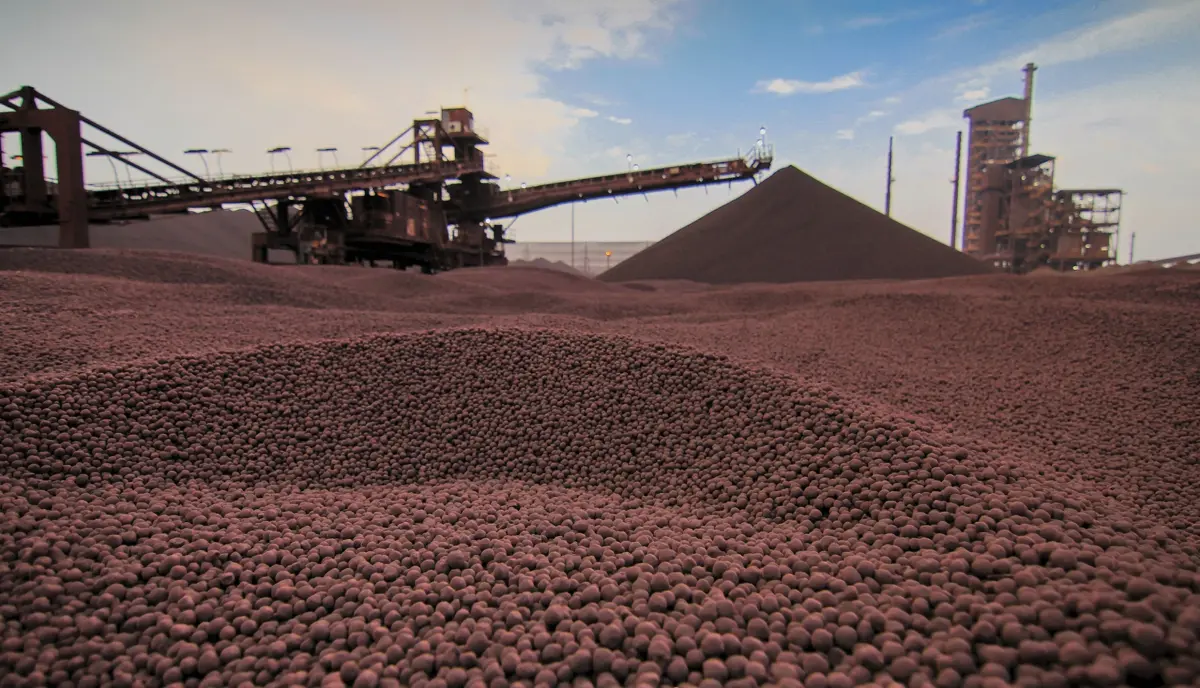
في مارس 2026، سجلت صادرات أستراليا من خام الحديد والكريات ارتفاعاً بنسبة 14% على أساس شهري، لتصل إلى 73 مليون طن، رغم أن هذا الرقم يمثل انخفاضاً بنسبة 4% مقارنة بمارس 2025.
التوزيع الجغرافي للمستوردين:
الصين: المستورد الأول بـ 60.4 مليون طن.
كوريا الجنوبية: 4.6 مليون طن.
اليابان: 4.5 مليون طن.
أداء الشركات المصدرة الكبرى:
ريو تينتو (Rio Tinto): 24.3 مليون طن.
بي إتش بي (BHP): 24.2 مليون طن.
إف إم جي (FMG): 17.3 مليون طن.
أسباب الارتفاع:
يُعزى هذا النمو إلى انتعاش موسمي عقب اضطرابات الطقس وإغلاقات الموانئ التي شهدها شهر فبراير، بالإضافة إلى مساعي الشركات لتحقيق مستهدفاتها ربع السنوية. كما لوحظ توجه المشترين الصينيين نحو الخام الأسترالي عالي الجودة امتثالاً لمعايير بيئية أكثر صرامة.
أداء الموردين العالميين الآخرين:
البرازيل: صدرت 26.23 مليون طن (بزيادة 3% على أساس شهري).
جنوب أفريقيا: صدرت 5.41 مليون طن (بزيادة كبيرة بلغت 25% على أساس شهري).
الهند: على العكس تماماً، شهدت الصادرات الهندية تراجعاً حاداً بنسبة 30.5% على أساس شهري، لتنخفض إلى 1.69 مليون طن
#صادرات #خام #الحديد #مارس
·
Share Post
Preview
Ahmed ali
Purchasing Manager
تقرير صادرات خام الحديد (مارس 2026) في مارس 2026، سجلت صادرات أستراليا من خام الحديد والكريات ارتفاعاً بنسبة 14% على أساس شهري، لتصل إلى 73 مليون طن، رغم أن هذا الرقم يمثل انخفاضاً بنسبة 4% مقارنة بمارس 2025. التوزيع الجغرافي للمستوردين: الصين: المستورد الأول بـ 60.4 مليون طن. كوريا الجنوبية: 4.6 مليون طن. اليابان: 4.5 مليون طن. أداء الشركات المصدرة الكبرى: ريو تينتو (Rio Tinto): 24.3 مليون طن. بي إتش بي (BHP): 24.2 مليون طن. إف إم جي (FMG): 17.3 مليون طن. أسباب الارتفاع: يُعزى هذا النمو إلى انتعاش موسمي عقب اضطرابات الطقس وإغلاقات الموانئ التي شهدها شهر فبراير، بالإضافة إلى مساعي الشركات لتحقيق مستهدفاتها ربع السنوية. كما لوحظ توجه المشترين الصينيين نحو الخام الأسترالي عالي الجودة امتثالاً لمعايير بيئية أكثر صرامة. أداء الموردين العالميين الآخرين: البرازيل: صدرت 26.23 مليون طن (بزيادة 3% على أساس شهري). جنوب أفريقيا: صدرت 5.41 مليون طن (بزيادة كبيرة بلغت 25% على أساس شهري). الهند: على العكس تماماً، شهدت الصادرات الهندية تراجعاً حاداً بنسبة 30.5% على أساس شهري، لتنخفض إلى 1.69 مليون طن #صادرات #خام #الحديد #مارس
Share Type
Add a comment
A
ملخص حالة سوق حديد التسليح العالمي (مارس 2026) شهدت أسواق الصلب العالمية تباينًا ملحوظًا في الأداء؛ حيث قفزت الأسعار في أوروبا وتركيا مدفوعة بتكاليف الإنتاج،... [Read More]ملخص حالة سوق حديد التسليح العالمي (مارس 2026)
شهدت أسواق الصلب العالمية تباينًا ملحوظًا في الأداء؛ حيث قفزت الأسعار في أوروبا وتركيا مدفوعة بتكاليف الإنتاج، بينما سجلت الولايات المتحدة تراجعًا، وظلت الصين في حالة استقرار هش. واضطر بعض المصنعين لتعليق المبيعات مؤقتًا لتجنب البيع بخسارة.
1. تركيا: نمو قوي مدفوع بالتكاليف
تغير السعر: ارتفع بنسبة 8% ليصل إلى 597.9 دولار/طن (أعلى مستوى منذ عام 2024).
الأسباب: زيادة تكاليف الطاقة، الخردة، الشحن، والتأمين نتيجة الحرب في الشرق الأوسط، مع نقص "البيلت" المستورد الرخيص.
الطلب: محليًا، كان الطلب متذبذبًا لكنه نشط أحيانًا بسبب المخاوف من زيادات إضافية. وعالميًا، تحسن وضع المصدرين الأتراك لقلة المنافسة من الصين ومصر.
التوقعات: استقرار السعر فوق مستوى 600 دولار في حال استمرار ضغط التكاليف.
2. الاتحاد الأوروبي: صدمة التكاليف ونقص المعروض
تغير السعر: ارتفع في شمال أوروبا إلى 645 يورو/طن (+3.2%)، وفي إيطاليا إلى 615 يورو/طن (+11.8%).
الأسباب: "صدمة تكاليف" حادة في الغاز والكهرباء والشحن إثر توترات الشرق الأوسط. قام بعض المنتجين بوقف المبيعات لإعادة تسعير المنتجات وحماية هوامش الربح.
الطلب: لا يزال قطاع البناء في إيطاليا ضعيفًا، حيث يعتمد الموزعون على المخزون الحالي ويتجنبون المشتريات الضخمة.
التوقعات: بقاء الأسعار مرتفعة، لكن نموها الإضافي سيصطدم بضعف القوة الشرائية الفعلية.
3. الولايات المتحدة: السوق الوحيد المتراجع
تغير السعر: انخفض بنسبة 1.6% ليصل إلى 1,014.1 دولار/طن.
الأسباب: ضعف الطلب وبطء انطلاق المشاريع الجديدة، بالإضافة إلى توقعات بانخفاض أسعار الخردة في شهر أبريل.
عوامل الدعم: الحواجز التجارية والتعريفات الجمركية حالت دون انهيار الأسعار بشكل حاد رغم ضعف السوق.
التوقعات: استمرار التحرك العرضي أو الانخفاض الحذر في الأسابيع المقبلة.
4. الصين: استقرار هش وهدوء حذر
تغير السعر: زيادة طفيفة جدًا بنسبة 0.2% ليصل إلى 448.71 دولار/طن.
الأسباب: حزم التحفيز الحكومية للبنية التحتية قدمت دعمًا أوليًا، لكن أزمة العقارات وبطء وتيرة البناء والمخزونات المرتفعة حدت من أي ارتفاع حقيقي.
الواقع: اضطر التجار لتقديم تنازلات سعرية في نهاية الشهر لتحفيز حركة البيع.
التوقعات: تذبذب في نطاق ضيق مع ضغوط هبوطية محتملة لغياب الدعم القوي من جانب الطلب
#ملخص #حالة #سوق #حديد #التسليح #العالمي
·
Share Post
Preview
Ahmed ali
Purchasing Manager
ملخص حالة سوق حديد التسليح العالمي (مارس 2026) شهدت أسواق الصلب العالمية تباينًا ملحوظًا في الأداء؛ حيث قفزت الأسعار في أوروبا وتركيا مدفوعة بتكاليف الإنتاج، بينما سجلت الولايات المتحدة تراجعًا، وظلت الصين في حالة استقرار هش. واضطر بعض المصنعين لتعليق المبيعات مؤقتًا لتجنب البيع بخسارة. 1. تركيا: نمو قوي مدفوع بالتكاليف تغير السعر: ارتفع بنسبة 8% ليصل إلى 597.9 دولار/طن (أعلى مستوى منذ عام 2024). الأسباب: زيادة تكاليف الطاقة، الخردة، الشحن، والتأمين نتيجة الحرب في الشرق الأوسط، مع نقص "البيلت" المستورد الرخيص. الطلب: محليًا، كان الطلب متذبذبًا لكنه نشط أحيانًا بسبب المخاوف من زيادات إضافية. وعالميًا، تحسن وضع المصدرين الأتراك لقلة المنافسة من الصين ومصر. التوقعات: استقرار السعر فوق مستوى 600 دولار في حال استمرار ضغط التكاليف. 2. الاتحاد الأوروبي: صدمة التكاليف ونقص المعروض تغير السعر: ارتفع في شمال أوروبا إلى 645 يورو/طن (+3.2%)، وفي إيطاليا إلى 615 يورو/طن (+11.8%). الأسباب: "صدمة تكاليف" حادة في الغاز والكهرباء والشحن إثر توترات الشرق الأوسط. قام بعض المنتجين بوقف المبيعات لإعادة تسعير المنتجات وحماية هوامش الربح. الطلب: لا يزال قطاع البناء في إيطاليا ضعيفًا، حيث يعتمد الموزعون على المخزون الحالي ويتجنبون المشتريات الضخمة. التوقعات: بقاء الأسعار مرتفعة، لكن نموها الإضافي سيصطدم بضعف القوة الشرائية الفعلية. 3. الولايات المتحدة: السوق الوحيد المتراجع تغير السعر: انخفض بنسبة 1.6% ليصل إلى 1,014.1 دولار/طن. الأسباب: ضعف الطلب وبطء انطلاق المشاريع الجديدة، بالإضافة إلى توقعات بانخفاض أسعار الخردة في شهر أبريل. عوامل الدعم: الحواجز التجارية والتعريفات الجمركية حالت دون انهيار الأسعار بشكل حاد رغم ضعف السوق. التوقعات: استمرار التحرك العرضي أو الانخفاض الحذر في الأسابيع المقبلة. 4. الصين: استقرار هش وهدوء حذر تغير السعر: زيادة طفيفة جدًا بنسبة 0.2% ليصل إلى 448.71 دولار/طن. الأسباب: حزم التحفيز الحكومية للبنية التحتية قدمت دعمًا أوليًا، لكن أزمة العقارات وبطء وتيرة البناء والمخزونات المرتفعة حدت من أي ارتفاع حقيقي. الواقع: اضطر التجار لتقديم تنازلات سعرية في نهاية الشهر لتحفيز حركة البيع. التوقعات: تذبذب في نطاق ضيق مع ضغوط هبوطية محتملة لغياب الدعم القوي من جانب الطلب #ملخص #حالة #سوق #حديد #التسليح #العالمي
Share Type
Add a comment
A
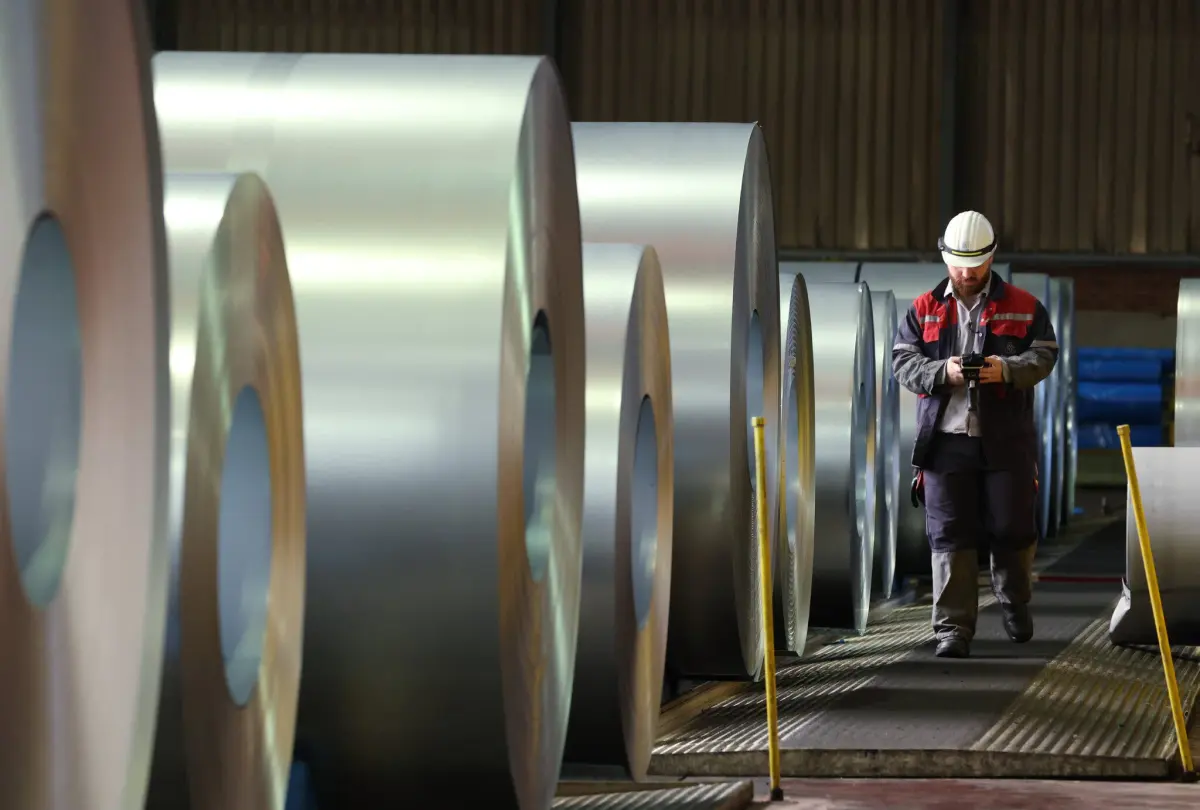
خسر منتجو الصلب في أوكرانيا أكثر من 1.1 مليون طن من طلبات التصدير خلال الربع الأول من عام 2026 وحده، بسبب القيود البيئية الأوروبية الجديدة.... [Read More]خسر منتجو الصلب في أوكرانيا أكثر من 1.1 مليون طن من طلبات التصدير خلال الربع الأول من عام 2026 وحده، بسبب القيود البيئية الأوروبية الجديدة.
تفاصيل الخسائر حسب الشركات الكبرى:
ميتينفست (Metinvest): خسارة طلبات بقيمة 240 ألف طن من المنتجات الطويلة، وإلغاء عقود تصدير 600 ألف طن من الحديد الخام للاتحاد الأوروبي.
أرسيليور ميتال كريفي ريه: فقدان السوق الأوروبية فعلياً بعد إلغاء العملاء لطلبات الربع الأول (300 ألف طن) لتجنب رسوم إضافية تتراوح بين 60-90 دولاراً للطن.
إنتربايب (Interpipe): تكبد خسائر مالية نتيجة إلغاء العقود بسبب بيانات انبعاثات غير دقيقة في قواعد بيانات المفوضية الأوروبية.
فيريكسبو (Ferrexpo): تواجه مخاطر أعباء مالية إضافية بحلول عام 2027 نتيجة تعقيدات التحقق من البيانات.
العقبات الفنية والإدارية:
تقديرات غير دقيقة للانبعاثات: اعتماد المفوضية الأوروبية لأرقام مبالغ فيها لا تعكس الواقع التشغيلي لشركات مثل "إنتربايب".
تجميد رأس المال العامل: يطالب المستوردون الأوروبيون بضمانات مالية مسبقة لتغطية رسوم الكربون المستقبلية، مما يعطل السيولة.
نقص الموثقين المعتمدين: غياب الجهات الأوكرانية المعتمدة من قبل الاتحاد الأوروبي للتحقق من تقارير الانبعاثات.
خسائر الصادرات: توقعات بفقدان 1.75 مليار دولار من عائدات التصدير، ودفع رسوم كربون إجمالية قد تصل إلى 1.2 مليار يورو.
الحلول المقترحة والتحركات المطلوبة:
الاستثناء للقوة القاهرة: مطالبة المفوضية الأوروبية بإعفاء أوكرانيا من الرسوم طوال فترة الحرب وفترة التعافي (لمدة 3 سنوات على الأقل).
تعديل البيانات: مراجعة قيم الانبعاثات الافتراضية لتعكس الأرقام الحقيقية للمصانع الأوكرانية.
التمويل الأخضر: تسهيل وصول الشركات الأوكرانية إلى صناديق إزالة الكربون الأوروبية لتحديث مصانعها.
تنسيق حكومي: إنشاء منصة تنسيق تحت إشراف وزارة الاقتصاد لمواجهة تحديات "CBAM" على الصعيدين السياسي والفني
·
Share Post
Preview
Ahmed ali
Purchasing Manager
خسر منتجو الصلب في أوكرانيا أكثر من 1.1 مليون طن من طلبات التصدير خلال الربع الأول من عام 2026 وحده، بسبب القيود البيئية الأوروبية الجديدة. تفاصيل الخسائر حسب الشركات الكبرى: ميتينفست (Metinvest): خسارة طلبات بقيمة 240 ألف طن من المنتجات الطويلة، وإلغاء عقود تصدير 600 ألف طن من الحديد الخام للاتحاد الأوروبي. أرسيليور ميتال كريفي ريه: فقدان السوق الأوروبية فعلياً بعد إلغاء العملاء لطلبات الربع الأول (300 ألف طن) لتجنب رسوم إضافية تتراوح بين 60-90 دولاراً للطن. إنتربايب (Interpipe): تكبد خسائر مالية نتيجة إلغاء العقود بسبب بيانات انبعاثات غير دقيقة في قواعد بيانات المفوضية الأوروبية. فيريكسبو (Ferrexpo): تواجه مخاطر أعباء مالية إضافية بحلول عام 2027 نتيجة تعقيدات التحقق من البيانات. العقبات الفنية والإدارية: تقديرات غير دقيقة للانبعاثات: اعتماد المفوضية الأوروبية لأرقام مبالغ فيها لا تعكس الواقع التشغيلي لشركات مثل "إنتربايب". تجميد رأس المال العامل: يطالب المستوردون الأوروبيون بضمانات مالية مسبقة لتغطية رسوم الكربون المستقبلية، مما يعطل السيولة. نقص الموثقين المعتمدين: غياب الجهات الأوكرانية المعتمدة من قبل الاتحاد الأوروبي للتحقق من تقارير الانبعاثات. خسائر الصادرات: توقعات بفقدان 1.75 مليار دولار من عائدات التصدير، ودفع رسوم كربون إجمالية قد تصل إلى 1.2 مليار يورو. الحلول المقترحة والتحركات المطلوبة: الاستثناء للقوة القاهرة: مطالبة المفوضية الأوروبية بإعفاء أوكرانيا من الرسوم طوال فترة الحرب وفترة التعافي (لمدة 3 سنوات على الأقل). تعديل البيانات: مراجعة قيم الانبعاثات الافتراضية لتعكس الأرقام الحقيقية للمصانع الأوكرانية. التمويل الأخضر: تسهيل وصول الشركات الأوكرانية إلى صناديق إزالة الكربون الأوروبية لتحديث مصانعها. تنسيق حكومي: إنشاء منصة تنسيق تحت إشراف وزارة الاقتصاد لمواجهة تحديات "CBAM" على الصعيدين السياسي والفني
Share Type
Add a comment
A
Due to the rainy season, the tight supply of cast iron in Brazil may persist until May Average prices in most regional pig iron markets... [Read More]Due to the rainy season, the tight supply of cast iron in Brazil may persist until May
Average prices in most regional pig iron markets rose by $10–25/t in March. The increase in prices was partly driven by limited supply due to weather conditions in Brazil and rising prices on the global scrap market. At the same time, the pig iron market in Turkey is under pressure due to rising logistics costs and weak demand.
Brazil
According to the Brazilian Steel Manufacturers Association (IAB), statistics for the Brazilian pig iron market show mixed trends. On the one hand, pig iron production in February amounted to nearly 2 million tons, which is 8.8% less than in January. In the first two months of 2026, the figure decreased by 2% year-on-year to 4.16 million tons. At the same time, exports in February fell by 7.3% month-over-month to 377,800 tons, following a 49% month-over-month increase in January. In the first two months of the year, the figure rose by 55% year-over-year, reaching 782,000 tons.
According to Kallanish, prices for Brazilian pig iron rose by $25 in March to $455/ton on FOB terms (for May shipments). As reported by Platts, during the last week of March, prices in the southeastern part of the country averaged $475/ton (FOB) ahead of the Easter holidays. However, further growth remains uncertain: buyers are resisting any price increases.
The rise in prices is traditionally driven by the rainy season, which forces local producers to halt operations for several weeks. Brazilian producers are analyzing market conditions and planning to resume production after the rainy season, taking into account rising freight rates. The supply shortage may persist until May. Rising demand from the U.S., a coal shortage, and higher prices on the global scrap market also contributed to the price increase.
Europe
European buyers, who had shown increased interest in Brazilian pig iron since the beginning of the year, have now adopted a wait-and-see approach. According to Kallanish, the factors holding back demand include a supply shortage, rising freight costs, and higher bunker fuel prices amid the conflict in the Persian Gulf.
The main suppliers of pig iron to the EU are currently Brazil and Ukraine. Prices for Ukrainian pig iron are approximately $480/t on a CFR basis, excluding CBAM fees ($46/t).

·
Share Post
Preview
Ahmed ali
Purchasing Manager
Due to the rainy season, the tight supply of cast iron in Brazil may persist until May Average prices in most regional pig iron markets rose by $10–25/t in March. The increase in prices was partly driven by limited supply due to weather conditions in Brazil and rising prices on the global scrap market. At the same time, the pig iron market in Turkey is under pressure due to rising logistics costs and weak demand. Brazil According to the Brazilian Steel Manufacturers Association (IAB), statistics for the Brazilian pig iron market show mixed trends. On the one hand, pig iron production in February amounted to nearly 2 million tons, which is 8.8% less than in January. In the first two months of 2026, the figure decreased by 2% year-on-year to 4.16 million tons. At the same time, exports in February fell by 7.3% month-over-month to 377,800 tons, following a 49% month-over-month increase in January. In the first two months of the year, the figure rose by 55% year-over-year, reaching 782,000 tons. According to Kallanish, prices for Brazilian pig iron rose by $25 in March to $455/ton on FOB terms (for May shipments). As reported by Platts, during the last week of March, prices in the southeastern part of the country averaged $475/ton (FOB) ahead of the Easter holidays. However, further growth remains uncertain: buyers are resisting any price increases. The rise in prices is traditionally driven by the rainy season, which forces local producers to halt operations for several weeks. Brazilian producers are analyzing market conditions and planning to resume production after the rainy season, taking into account rising freight rates. The supply shortage may persist until May. Rising demand from the U.S., a coal shortage, and higher prices on the global scrap market also contributed to the price increase. Europe European buyers, who had shown increased interest in Brazilian pig iron since the beginning of the year, have now adopted a wait-and-see approach. According to Kallanish, the factors holding back demand include a supply shortage, rising freight costs, and higher bunker fuel prices amid the conflict in the Persian Gulf. The main suppliers of pig iron to the EU are currently Brazil and Ukraine. Prices for Ukrainian pig iron are approximately $480/t on a CFR basis, excluding CBAM fees ($46/t).
Share Type
Add a comment
A
SMM Analysis: Overseas Stainless Steel Market Overview Main Theme: The report discusses how overseas stainless steel prices are being driven by "Policy Resonance" (changes in... [Read More]SMM Analysis: Overseas Stainless Steel Market Overview
Main Theme: The report discusses how overseas stainless steel prices are being driven by "Policy Resonance" (changes in government regulations) and "Cost Drivers" (rising raw material prices).
1. Key Market Drivers:
Nickel Costs: A significant rise in Indonesian nickel ore prices has pushed up the production costs for stainless steel.
Policy Impact (Indonesia): The Indonesian government’s approval of export levies on nickel and coal has fundamentally tightened the global supply chain and increased costs.
EU CBAM: The European Union’s Carbon Border Adjustment Mechanism (CBAM), which took effect earlier this year, has added a new "carbon cost" to imports, forcing a shift from simple price competition to environmental compliance competition.
2. Supply and Demand Dynamics:
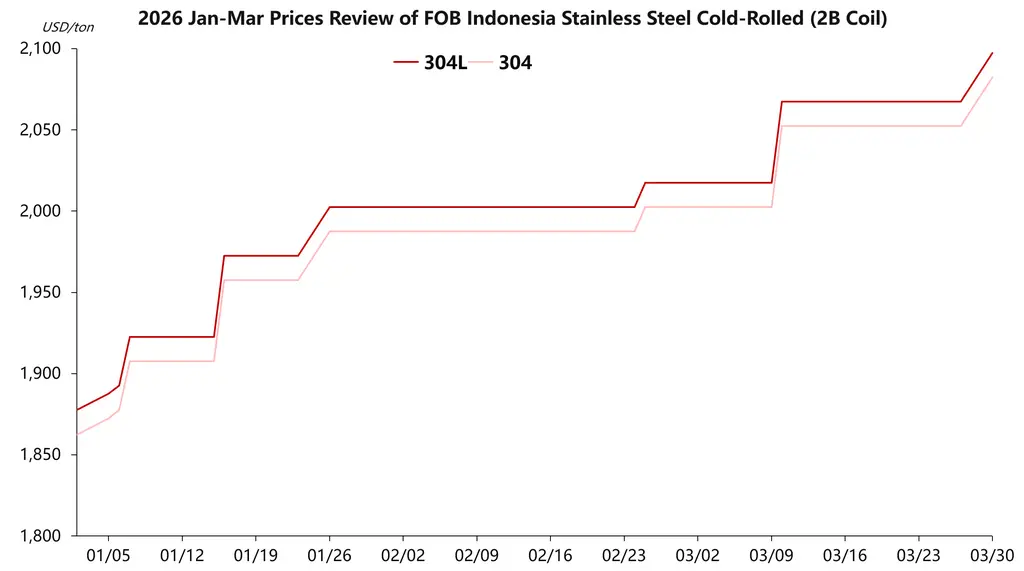
Indonesia: Export prices (FOB) for stainless steel remain high and firm. The chart in the report shows a clear upward trend in prices for 304L and 304 cold-rolled coils from January to March 2024.
Regional Markets: * Japan and South Korea: Show resilient demand.
Taiwan and China: Facing pressure due to high costs and fluctuating local demand.
Buyer Behavior: Most buyers are cautious, limiting their purchases to immediate needs (hand-to-mouth) due to the rapid price hikes.
3. Price Trends (Visualized in Chart):
The chart titled "2024 Jan-Mar Price Review of FOB Indonesia Stainless Steel Cold-Rolled" illustrates a steady "staircase" increase in prices, moving from approximately $1,800/mt in early January to nearly $2,050/mt by March.
4. Market Outlook:
The market is currently in a "tug-of-war" between high production costs and actual demand.
Future prices will depend on whether end-users can absorb these high costs and how global macroeconomic factors (like interest rates and energy prices) evolve.
·
Share Post
Preview
Ahmed ali
Purchasing Manager
SMM Analysis: Overseas Stainless Steel Market Overview Main Theme: The report discusses how overseas stainless steel prices are being driven by "Policy Resonance" (changes in government regulations) and "Cost Drivers" (rising raw material prices). 1. Key Market Drivers: Nickel Costs: A significant rise in Indonesian nickel ore prices has pushed up the production costs for stainless steel. Policy Impact (Indonesia): The Indonesian government’s approval of export levies on nickel and coal has fundamentally tightened the global supply chain and increased costs. EU CBAM: The European Union’s Carbon Border Adjustment Mechanism (CBAM), which took effect earlier this year, has added a new "carbon cost" to imports, forcing a shift from simple price competition to environmental compliance competition. 2. Supply and Demand Dynamics: Indonesia: Export prices (FOB) for stainless steel remain high and firm. The chart in the report shows a clear upward trend in prices for 304L and 304 cold-rolled coils from January to March 2024. Regional Markets: * Japan and South Korea: Show resilient demand. Taiwan and China: Facing pressure due to high costs and fluctuating local demand. Buyer Behavior: Most buyers are cautious, limiting their purchases to immediate needs (hand-to-mouth) due to the rapid price hikes. 3. Price Trends (Visualized in Chart): The chart titled "2024 Jan-Mar Price Review of FOB Indonesia Stainless Steel Cold-Rolled" illustrates a steady "staircase" increase in prices, moving from approximately $1,800/mt in early January to nearly $2,050/mt by March. 4. Market Outlook: The market is currently in a "tug-of-war" between high production costs and actual demand. Future prices will depend on whether end-users can absorb these high costs and how global macroeconomic factors (like interest rates and energy prices) evolve.
Share Type
Add a comment
A
Demand for green steel across Europe remained thin in the week to Thursday, with spot activity nearly absent as buyers prioritized long-term offtake agreements to... [Read More]Demand for green steel across Europe remained thin in the week to Thursday, with spot activity nearly absent as buyers prioritized long-term offtake agreements to secure future supply, sources told Fastmarkets on Thursday March 26.
Buyers across Europe have remained reluctant to pay significant premiums for low-carbon steel, pointing to weak market conditions and continuing structural challenges facing the region’s steel industry.
Under Fastmarkets’ definition, European green flat steel is steel made with combined Scope 1, 2 and 3 emissions of no more than 0.8 tonnes of CO2 equivalent per tonne of steel produced.
Scope 1 covers direct emissions from production, while 2 and 3 refer to indirect emissions linked to energy use and the wider value chain.
Market participants said premiums quoted by European mills capable of meeting that emissions threshold were generally in the range of €200-300 ($231-346) per tonne, broadly unchanged from recent months.
Discounts were possible for larger volumes, seller sources said, but no transactions were concluded in the assessment week.
According to seller sources, buyer interest exists at an initial stage, but resistance increases sharply once discussions turn to price, particularly when premiums move into the triple-digit range.
On the demand side, buyers continued to indicate lower workable levels, most commonly around €100-150 per tonne in the week to Thursday. Some market participants said spot business could be done at even less than €100 per tonne, with one source estimating the premium at €0 per tonne, arguing that premiums were more likely to be achieved through longer-term offtake deals rather than in the spot market.
Sell-side estimates for realistic premiums on green flat steel were reported at €150-170 per tonne.
Against that backdrop, Fastmarkets’ weekly assessment for the green steel domestic, flat-rolled, differential to HRC index, exw Northern Europe was €100-170 per tonne on March 26, narrowing from €100-180 per tonne in the previous week.
In contrast, sentiment in the long steel segment was described as even weaker, with market sources reporting almost no appetite for paying extra for greener products.
One supplier said customers were unwilling to pay any premium at all for green long steel, noting that the company’s conventional long products were already widely viewed as low emission because they are made via electric-arc furnace routes supported by relatively clean power mixes in the countries where production assets are based.
Fastmarkets’ methodology defines European green long steel as steel produced with Scope 1, 2 or 3 emissions at a maximum of 0.5 tCO2e per tonne of steel.
The aftermath of the US-Iran conflict was said to be another factor contributing to a stronger decline in demand for green long steel. The rise in oil and gas prices resulted in higher transportation costs as well as higher production costs inside Europe, which is expected to strengthen inflation. The financial sector was also affected, with banks increasing interest rates.
The combination of inflation and higher interest rates will result in higher construction costs, which may lead to a slowdown in construction activity and thus affect demand for regular steel.
“In such conditions people will be trying to cut costs as much as possible so ecology will not be the priority,” one trader said.
A second mill source, however, said he believes the conflict in the Middle East should have only a temporary effect on demand for green steel and that demand should return to previous levels in the near term.
Fastmarkets’ weekly green steel, differential to steel reinforcing bar (rebar) domestic, delivered Northern Europe was €0-50 per tonne on Wednesday March 25, stable week on week.
Offers varied within the wide range of €30-50 per tonne, while estimates of workable prices varied within the wide range of €0-50 per tonne.
The trader source noted that demand for green long steel is coming mainly from specific projects in Nordic countries and the size of the premium is negotiated individually.

·
Share Post
Preview
Ahmed ali
Purchasing Manager
Demand for green steel across Europe remained thin in the week to Thursday, with spot activity nearly absent as buyers prioritized long-term offtake agreements to secure future supply, sources told Fastmarkets on Thursday March 26. Buyers across Europe have remained reluctant to pay significant premiums for low-carbon steel, pointing to weak market conditions and continuing structural challenges facing the region’s steel industry. Under Fastmarkets’ definition, European green flat steel is steel made with combined Scope 1, 2 and 3 emissions of no more than 0.8 tonnes of CO2 equivalent per tonne of steel produced. Scope 1 covers direct emissions from production, while 2 and 3 refer to indirect emissions linked to energy use and the wider value chain. Market participants said premiums quoted by European mills capable of meeting that emissions threshold were generally in the range of €200-300 ($231-346) per tonne, broadly unchanged from recent months. Discounts were possible for larger volumes, seller sources said, but no transactions were concluded in the assessment week. According to seller sources, buyer interest exists at an initial stage, but resistance increases sharply once discussions turn to price, particularly when premiums move into the triple-digit range. On the demand side, buyers continued to indicate lower workable levels, most commonly around €100-150 per tonne in the week to Thursday. Some market participants said spot business could be done at even less than €100 per tonne, with one source estimating the premium at €0 per tonne, arguing that premiums were more likely to be achieved through longer-term offtake deals rather than in the spot market. Sell-side estimates for realistic premiums on green flat steel were reported at €150-170 per tonne. Against that backdrop, Fastmarkets’ weekly assessment for the green steel domestic, flat-rolled, differential to HRC index, exw Northern Europe was €100-170 per tonne on March 26, narrowing from €100-180 per tonne in the previous week. In contrast, sentiment in the long steel segment was described as even weaker, with market sources reporting almost no appetite for paying extra for greener products. One supplier said customers were unwilling to pay any premium at all for green long steel, noting that the company’s conventional long products were already widely viewed as low emission because they are made via electric-arc furnace routes supported by relatively clean power mixes in the countries where production assets are based. Fastmarkets’ methodology defines European green long steel as steel produced with Scope 1, 2 or 3 emissions at a maximum of 0.5 tCO2e per tonne of steel. The aftermath of the US-Iran conflict was said to be another factor contributing to a stronger decline in demand for green long steel. The rise in oil and gas prices resulted in higher transportation costs as well as higher production costs inside Europe, which is expected to strengthen inflation. The financial sector was also affected, with banks increasing interest rates. The combination of inflation and higher interest rates will result in higher construction costs, which may lead to a slowdown in construction activity and thus affect demand for regular steel. “In such conditions people will be trying to cut costs as much as possible so ecology will not be the priority,” one trader said. A second mill source, however, said he believes the conflict in the Middle East should have only a temporary effect on demand for green steel and that demand should return to previous levels in the near term. Fastmarkets’ weekly green steel, differential to steel reinforcing bar (rebar) domestic, delivered Northern Europe was €0-50 per tonne on Wednesday March 25, stable week on week. Offers varied within the wide range of €30-50 per tonne, while estimates of workable prices varied within the wide range of €0-50 per tonne. The trader source noted that demand for green long steel is coming mainly from specific projects in Nordic countries and the size of the premium is negotiated individually.
Share Type
Add a comment
A

Share Post
Preview
Ahmed ali
Purchasing Manager
حفظ الله المملكة
Share Type
Add a comment
A
All caught up!
No more posts to show